
Short answer: to start an automatic bakery or pastry factory, first define your products and market, then obtain the food licences required in your country, prepare a suitable building, and choose the equipment: mixers, dough dividing and forming machines, proofers, ovens, cooling, and slicing and packing. The type and size of equipment depend on your products, required output and budget, so the project starts with a study and a layout designed for you.
This guide explains the stages of setting up an automatic bakery or pastry factory and the main equipment at each stage. It is written for bakery owners and investors in the Middle East and Africa who want to move from manual work to automated production, or build a new plant. It does not quote fixed prices or capacities.
Read also: Automatic Bakery Cost · How to Start an Animal Feed Mill ·How to Choose a Production Line Supplier in China · Production Line Spare Parts · النسخة العربية · All guides

Stage 1: Define your products and market
Before buying any machine, decide exactly what you will produce and who will buy it. This decision shapes everything that follows.
- Product type: Arabic flatbread, toast and buns, pastries and croissants, biscuits and sweets, or chocolate products.
- Sales channel: your own shop, distribution to groceries and supermarkets, or supply to hotels and restaurants.
- Target output: the quantity per hour or per day your market actually needs.
- Shelf life and packing: fresh product sold the same day, or packed product for distribution.
With these answers an engineer can choose the equipment and its size without guesswork.
Stage 2: Get licences and meet hygiene requirements
A bakery is a food facility, and requirements differ from country to country, and sometimes from city to city. Check with your municipality and food safety authority before fitting out the building. Requirements often include:
- A food activity licence and a building licence
- Hygiene, ventilation and drainage requirements
- Health certificates for workers
- Product labelling and ingredient requirements
Many factories adopt a recognised food safety management system such as HACCP to organise hygiene and quality control. This is a project choice, not one universal legal requirement.
Stage 3: Design the building and production layout
A good layout flows in one direction: from flour receiving to mixing, baking, cooling, packing and storage, without raw materials crossing the finished product. The engineer plans:
- The space for each machine and the work path between them
- A dry store for flour and raw materials, and cold rooms where needed
- Electrical supply and the energy source for ovens (electricity, gas or diesel depending on what is available at your site)
- Ventilation and extraction of oven heat
Stage 4: Choose the automatic bakery equipment
An automatic bakery or pastry factory usually includes the following equipment. Models and sizes vary with the product and output:
- Flour storage and sifting: from bags in small bakeries to silos in larger plants.
- Mixers: spiral mixers for bread and heavy dough, and mixers for creams and sweets.
- Dough dividing and forming: dividers, rounders and moulders, and dough sheeters for pastry and croissants.
- Proofers: to control temperature and humidity while the dough rises.
- Ovens: rotary rack oven, deck oven, or tunnel oven for continuous production.
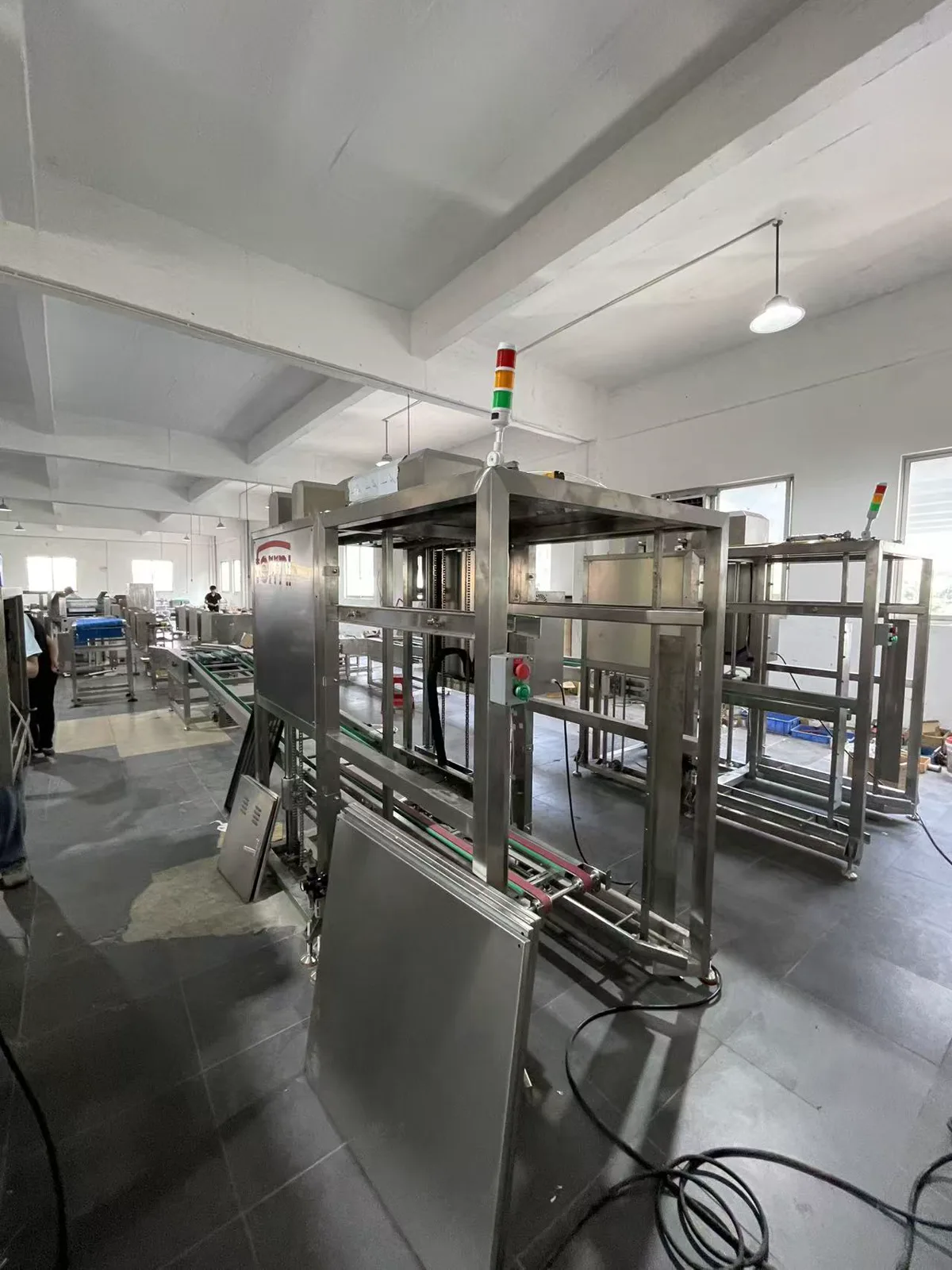
- Tray loading units: to connect trolleys or racks to a more automated line when needed.
- Cooling: cooling racks or conveyors before slicing and packing.
- Slicing and packing: bread slicers and automatic packing machines for distributed products.
Stage 5: Installation, commissioning and training
Machines are best tested at the factory before shipment. On site, engineers install and commission the equipment, run production trials with your recipes, and train your staff in operation, cleaning and basic maintenance. Keep a stock of essential spare parts from day one.
Stage 6: Launch and quality control
Fix your recipes, dough weights and baking times, check hygiene daily, and follow a preventive maintenance plan. Consistent quality is what builds trust in your name.
General comparison of oven types
The oven is the heart of the bakery. This general comparison helps you understand the options; the final choice depends on your products and output.
| Criterion | Rotary rack oven | Deck oven | Tunnel oven |
|---|---|---|---|
| Typical use | Medium bakeries baking many items | Artisan bread and pastry in smaller batches | Factories with continuous, high-volume production |
| Product flexibility | High | High | Lower, suits fixed products |
| Floor space | Medium | Medium | Large |
| Automation | Manual trolley loading | Manual or semi-automatic loading | Suited to an integrated line |
| Investment | Medium | Medium | Higher |
How Ferrni supports your bakery project
Ferrni is the Rendat group’s brand for bakery and pastry. It supplies rotary ovens, mixers, dough machines, confectionery and chocolate equipment, tray loading units for automating bakery lines, and complete bakery lines. Niopac complements it with packing machines. Rendat engineers study your products and space, design the layout, install the machines and train your team, with long-term spare parts through RendatSP.
FAQ
How much does it cost to set up an automatic bakery?
The cost depends on your products, output, level of automation, building and local requirements. There is no single price; a layout designed for your project gives you an accurate figure.
Should I start with separate machines or a complete line?
Separate machines usually suit bakeries with many different products, while a complete line suits large volumes of one product. The decision depends on your products and growth plan.
Which oven should I choose?
It depends on your products, volumes, floor space and available energy source. See the comparison table above and ask for a recommendation based on your products.
Does the service include installation and training?
Yes. Rendat engineers install the equipment on site and train your staff; the details are set out in the quotation.
How long does it take to set up a bakery?
It depends on licensing, building readiness, and equipment manufacturing and shipping. A timeline can be set once the layout and equipment are approved.
Request a quote
Every bakery is different. Send Rendat your product list, required daily output and site area, and our engineers will propose suitable equipment with a complete quotation. Request a quote or message us on WhatsApp at +86 181 5871 1787.