
Quick answer: To start a bottled water plant, you need a tested water source, the right licences for your country, a building that meets food-safety rules, and a production line covering water treatment, bottle making, filling and capping, labelling and packing. Machine size depends on target output, bottle sizes and budget, so the project starts with a feasibility study and a line design matched to your market.
This English guide walks through the main steps, typical equipment and the decisions that shape cost and capacity for investors and factory owners in the Middle East and Africa planning a first water line or expanding an existing one. For the Arabic step-by-step overview, see also our Arabic guide: كيف تبدأ مصنع مياه معبأة. For budgeting, read Water Bottling Plant Cost: What Determines the Price, and before signing with any supplier, How to Choose a Production Line Supplier in China. Also available in Spanish (Cómo montar una planta de agua embotellada) and Portuguese (Como montar uma fábrica de água mineral).
Step 1: Study the market and define your product
Before buying any machine, decide exactly what you will sell. The product definition drives every later choice.
- Bottle sizes: small bottles for retail, medium sizes for families, or large jars for homes and offices.
- Water type: purified drinking water, mineral water, or flavoured or functional water.
- Packaging style: shrink-wrapped packs, cartons, or single bottles.
- Target market and price level: this decides how automated your line should be.
- Target output: how many bottles per hour or per day you need to supply your market.
A clear answer to these five points lets an engineer size the line correctly instead of guessing.
Step 2: Test your water source
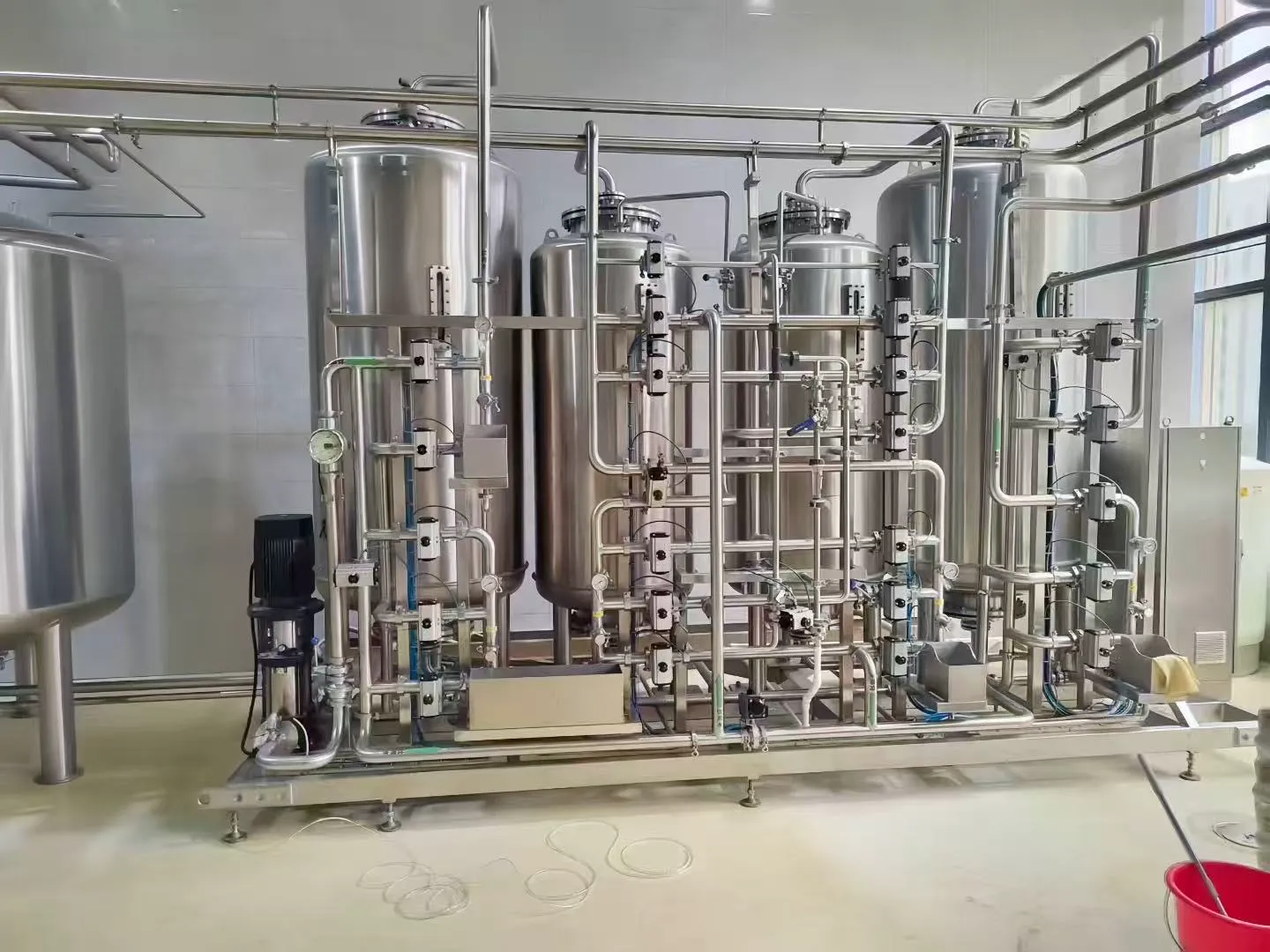
Your water source is the core of the business. Send samples to an accredited laboratory for a full physical, chemical and microbiological analysis. The results tell you which treatment stages you need. Well water, municipal water and spring water each need a different treatment design, and a design that skips this step risks failing quality tests later. See Water Treatment System for a Bottled Water Plant.
Step 3: Get licences and follow food-safety rules
Bottled water is regulated as a food product in most countries. Requirements differ from country to country, so check with your local food-safety and standards authorities before you finalise the building or the line. Typical topics include:
- a licence to produce and sell bottled water
- rules for the source, the water quality and the label
- hygiene rules for the building, staff and production areas
- product testing before and after launch
Many producers also adopt a recognised food-safety management approach, such as HACCP, to organise hygiene and quality control. This is a project choice, not a universal legal requirement.
Step 4: Plan the building and the layout
The factory layout must keep raw materials, production and finished goods separate, and it must keep the filling area clean. An engineer will plan:
- the space each machine needs and the flow from water treatment to the warehouse
- a clean room or protected zone around the filling machine
- power supply, compressed air, drainage and water connections
- storage for preforms, caps, labels and finished pallets
A professional layout drawing at this stage avoids costly changes during installation.
Step 5: Choose the production line equipment
A complete bottled water line usually includes the machines below. The exact models, speeds and options depend on your output and bottle sizes — those figures are set in the engineering study, not as a fixed catalogue claim. For selection criteria and a quote checklist, see How to Choose a Water Filling Line.
- Water treatment system: filtration, softening where needed, reverse osmosis (RO), and disinfection such as UV or ozone.
- Preform and bottle making: a blow moulding machine turns PET preforms into bottles. Some plants also make their own preforms with an injection machine. See the PET blow molding machine buying guide.
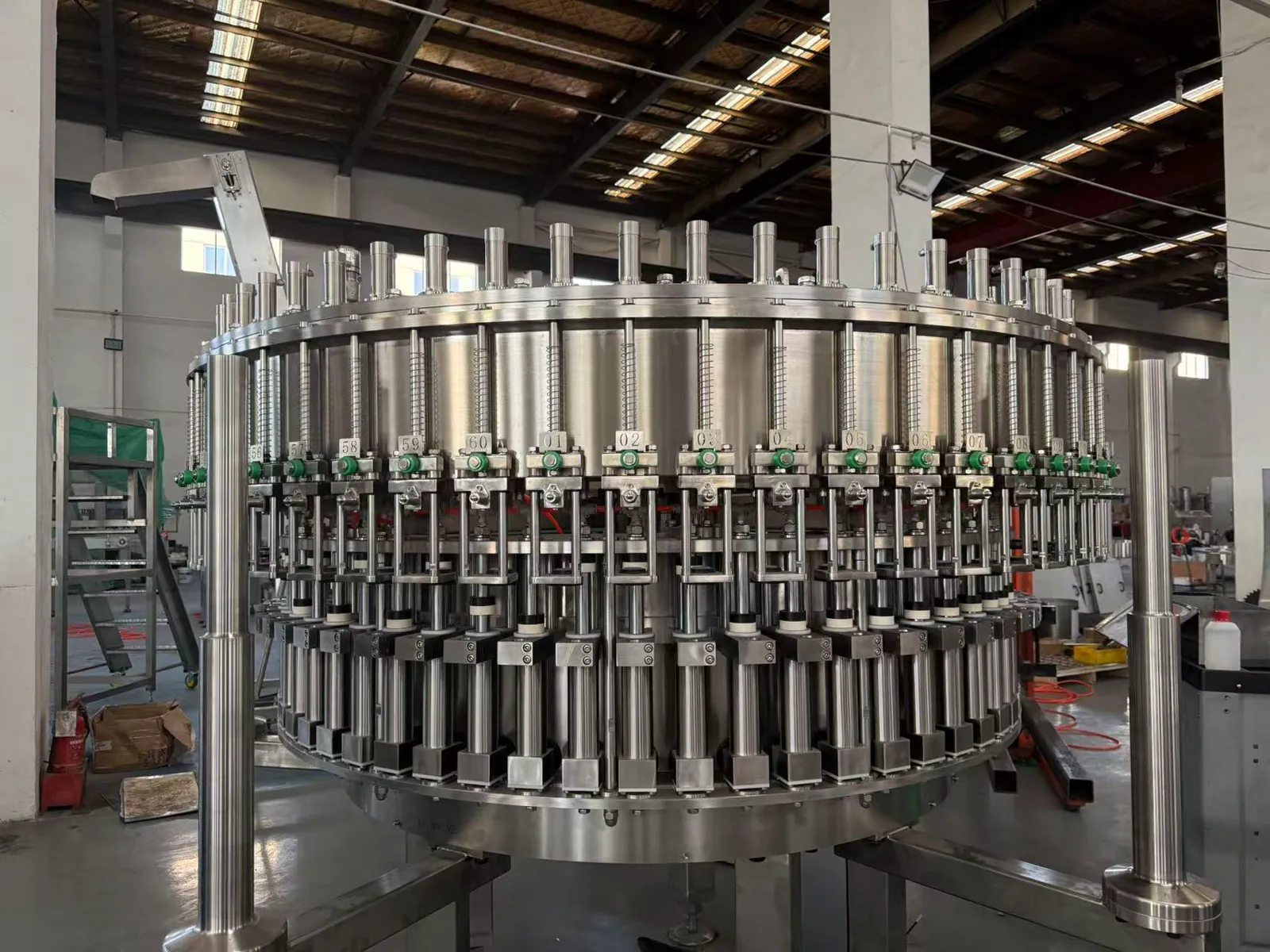
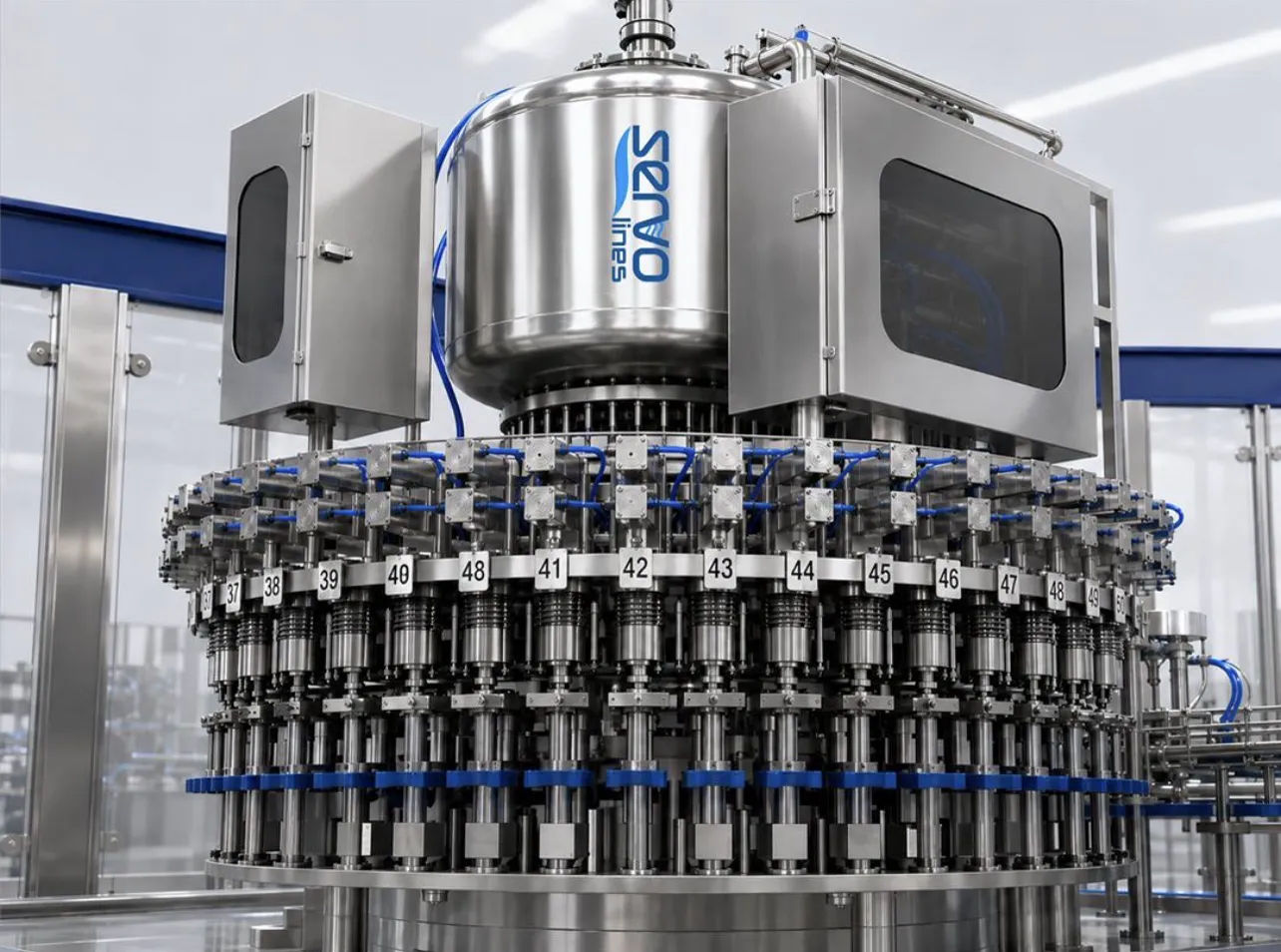
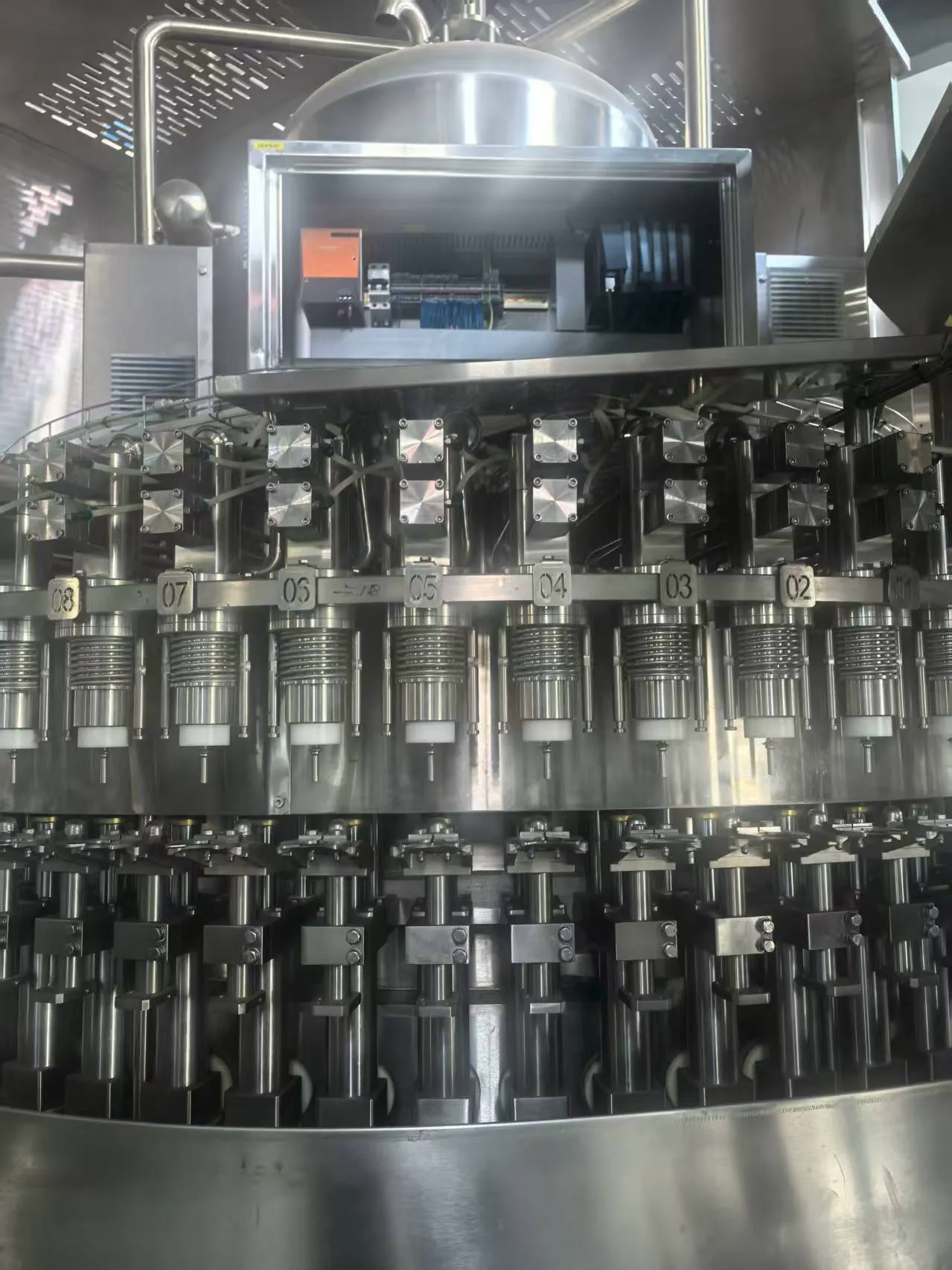
- Rinsing, filling and capping: a monoblock machine rinses each bottle, fills it and closes it in one compact unit, often called a 3-in-1 machine.
- Inspection and coding: a light check, level control and a date or batch code printer.
- Labelling: a sleeve or wrap-around labelling machine.
- Packing: shrink-wrapping or cartoning, followed by palletising for larger plants.
- Utilities: air compressors, chillers and conveyors that link the machines.
Step 6: Install, test and train your team
After manufacturing, the machines should be tested at the factory before shipping. On site, engineers install and commission the line, run trial production, and train your operators on operation, cleaning and basic maintenance. Plan a stock of critical spare parts from day one to avoid long stops.
Step 7: Launch and keep quality under control
Once production starts, test the water and the finished product regularly, keep records, and follow a preventive maintenance plan. A stable quality record protects your licence and your brand.
Semi-automatic vs fully automatic lines
The right level of automation depends on your output, labour costs and budget. This general comparison helps frame the choice; the right answer for your project comes from the line design.
| Factor | Semi-automatic line | Fully automatic line |
|---|---|---|
| Typical use | Small local brands, start-ups | Larger brands, wide distribution |
| Labour needed | More operators | Fewer operators per bottle |
| Investment | Lower | Higher |
| Hygiene control | Depends more on staff | More consistent, less manual contact |
| Expansion | Limited | Easier to scale with matched machines |
How Servolines supports water projects
Servolines, the beverage brand of the Rendat group, supplies turnkey water bottling plants: water treatment, blowing, filling and capping, labelling and packing. Rendat engineers study your requirements, design the layout, test the machines before delivery, install them on site and train your team, with long-term spare parts through RendatSP.
For a published Arabic project overview (capacity as stated by the client), see the Oman water bottling line case (Arabic).
Frequently asked questions
How much does it cost to start a bottled water plant?
The cost depends on your target output, bottle sizes, level of automation, building and local requirements. There is no single price. A line designed for your project gives you an accurate figure.
What capacity should my first line have?
It depends on the demand you can sell to and your growth plan. Many investors choose a line that covers current demand and leaves room for a second line later.
Do I need reverse osmosis for my water?
Not always. The laboratory analysis of your source decides which treatment stages are needed. RO is common when the water has high dissolved salts.
Can I produce my own bottles?
Yes. With a blow moulding machine you make bottles from PET preforms on site, which reduces transport of empty bottles. Some plants also make the preforms.
How long does it take to set up a plant?
The timeline depends on licences, the building, machine manufacturing and shipping. Your supplier can give a schedule once the line design is agreed.
What should I prepare at the factory site before the line arrives?
Agree the line layout with your supplier first, then prepare the building, floor, power, water, compressed air and drainage to match the supplier’s utility list. See the guide to factory site preparation before installing a production line.
Request a quotation
Every water plant is different. Send Rendat your water analysis, target output, bottle sizes and site details, and our engineers will propose a line and a full quotation. Plastic machinery buying guide · Request a quote or message us on WhatsApp at +86 181 5871 1787.