
Short answer: Choose a water filling line from five decisions: the product (still water or another drink), the bottle sizes and material, the output you need in bottles per hour, the level of automation, and what happens at the end of the line (coding, labelling, packing). Then match the line to your building, power supply, water treatment and operating budget. Every machine in the line should run at the same target output, so the filler is never waiting for the blower, labeller or packer.
This guide is for investors and factory owners in the Arab countries, the Middle East and Africa who are planning a first bottled water line or adding a line to an existing plant. It is general buyer guidance; models, speeds and options are set in the engineering proposal for each project, not as fixed catalogue figures.
Read also: How to Start a Bottled Water Plant · Water Bottling Plant Cost · Juice & Soft Drink Filling Line · النسخة العربية · All guides
The main selection criteria
1. The product
Still drinking water, mineral water, juice and carbonated drinks are filled in different ways. Still water is the simplest case. Juice may need hot or aseptic filling, and carbonated drinks need pressure filling, so a line built for water is not automatically suitable for them. If you plan more than one product, say so at the start; see the juice and soft drink filling line guide.
2. Bottle sizes, material and caps
List every bottle size you plan to sell, the material (PET in most water plants) and the neck and cap type. Each extra size usually needs change parts and changeover time, so confirm which sizes the filler, capper, labeller and packer can handle. Large returnable containers are normally filled on a separate barrel line; mention it if you need one.
3. Output in bottles per hour
Start from the volume you can realistically sell, divide it by your planned working hours, and add a margin for stops, changeovers and maintenance. Ask for the rated output of each machine for each bottle size, because output often changes with bottle size.
4. Level of automation
A semi-automatic line needs less investment but more operators. A fully automatic line costs more but uses fewer people per bottle, gives more consistent hygiene and is easier to scale. The table below compares the two.
5. Bottles: blow on site or buy them ready
With a blow moulding machine you make bottles from PET preforms on site, which cuts the transport of empty bottles but adds a blower, high-pressure compressed air and more floor space. Buying ready bottles suits a smaller start. Your choice changes the line layout and budget.
6. End of line
Decide how bottles leave the line: level inspection, date and batch coding, labelling (sleeve or wrap-around), shrink-wrapping or cartons, and manual or automatic palletising. End-of-line machines must keep up with the filler.
7. Water treatment and utilities
The filler can only be as good as the water it receives. A laboratory analysis of your source decides the treatment stages (filtration, reverse osmosis where needed, disinfection). Also plan power, compressed air, cooling and drainage before you fix the layout. See Water Treatment System for a Bottled Water Plant.
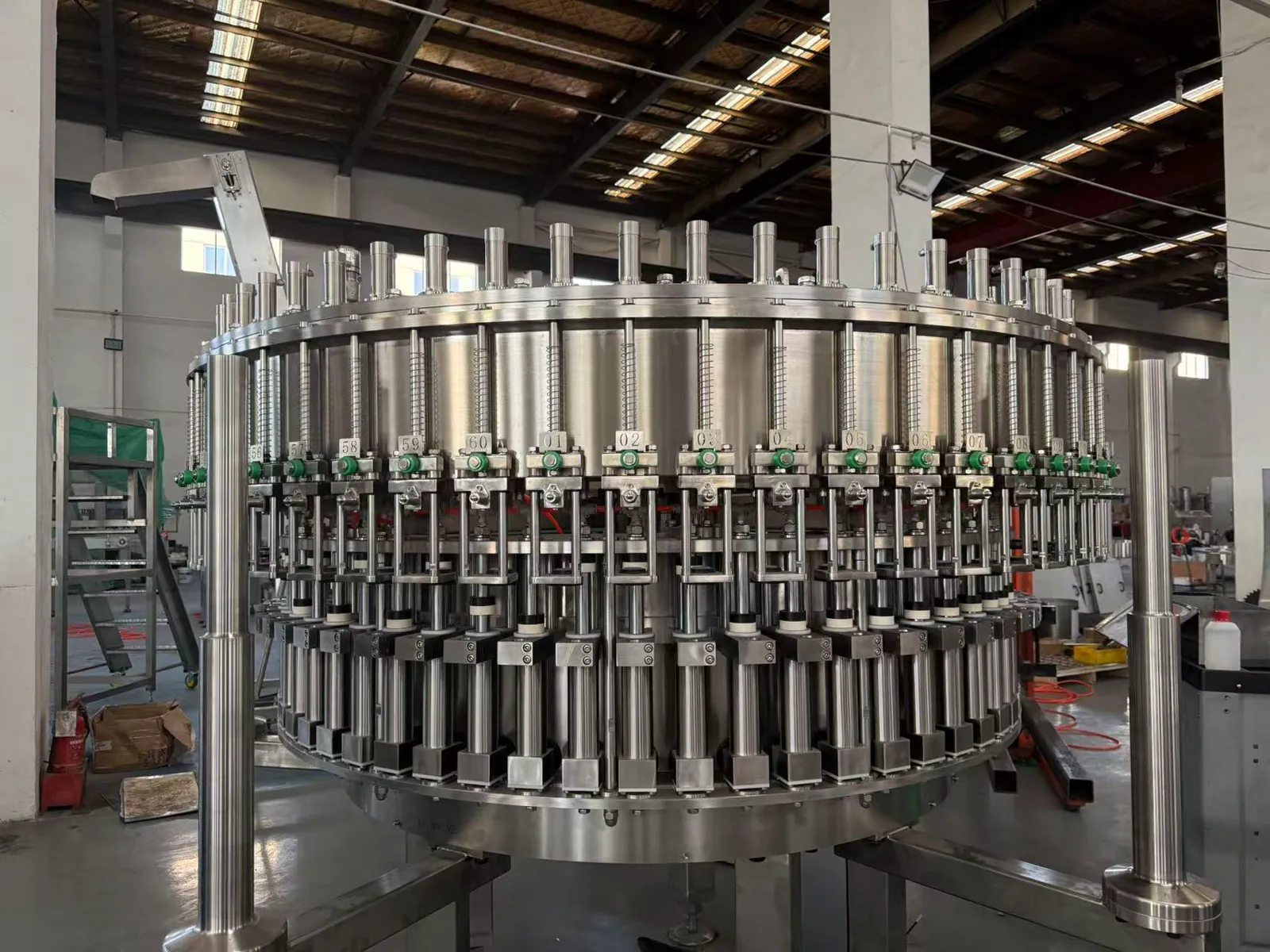
Table: semi-automatic vs fully automatic water lines
General guidance only, not a quotation. Actual figures depend on the specification and the country.
| Factor | Small / semi-automatic line | Medium to highly automated line |
|---|---|---|
| Suits | A new project or limited output | Continuous daily production |
| Labour | Relatively more operators | Fewer operators per bottle |
| Space and power | Usually less | More; needs more careful planning |
| Initial investment | Usually lower | Higher; offset by running efficiency |
| Hygiene control | Depends more on staff | More consistent, less manual contact |
| Expansion | Limited | Easier to scale with matched machines |
Checklist: the sections of a bottled water line
| Section | Role | What to confirm in the quotation |
|---|---|---|
| Water treatment | Brings the source water to the quality you need | Stages chosen from your water analysis |
| Bottle blowing (optional) | Makes PET bottles from preforms on site | Bottle sizes, moulds, compressed air needed |
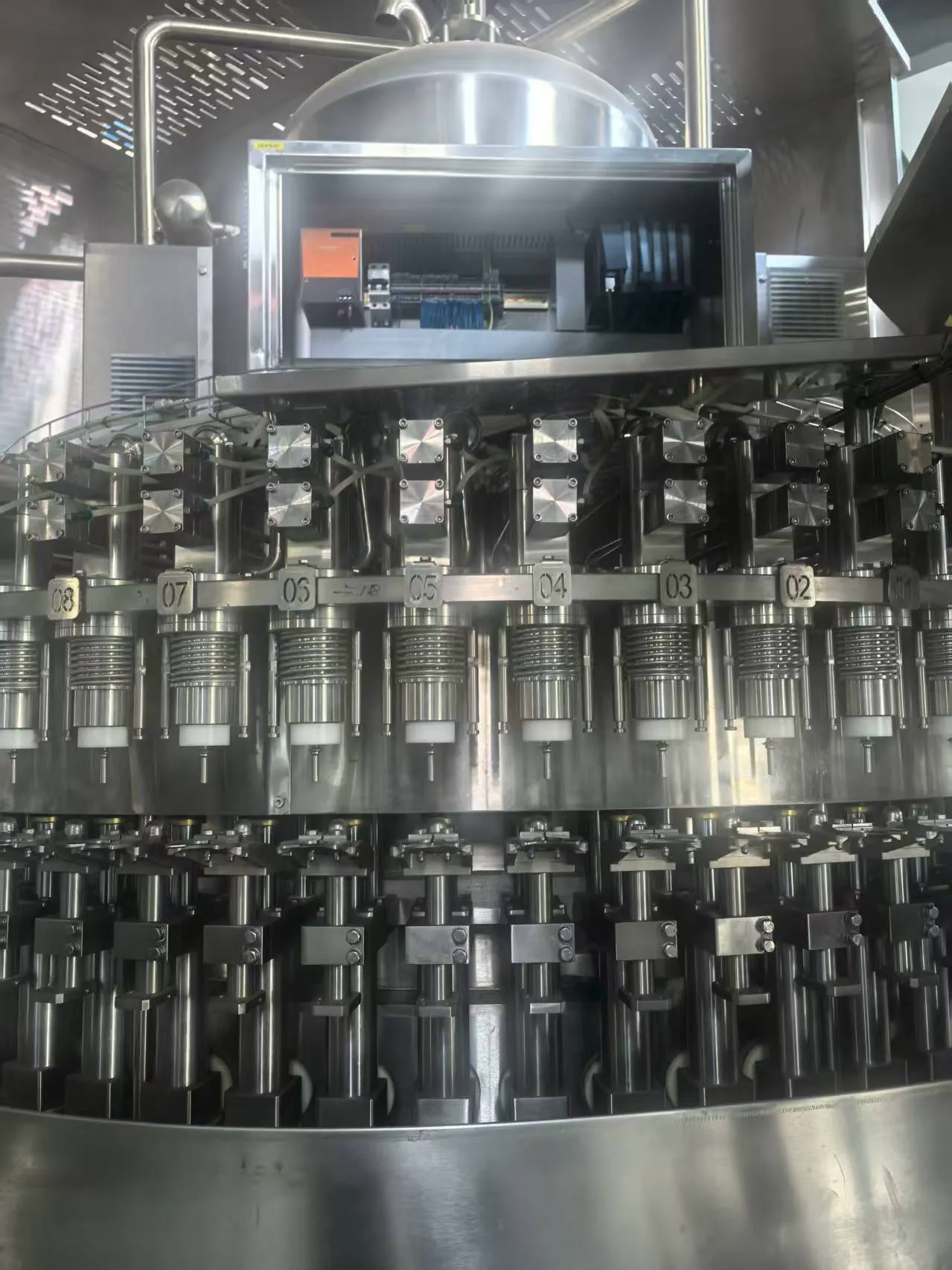
| Rinsing, filling and capping (3-in-1 monoblock) | The core of the line: rinses, fills and closes each bottle | Output per bottle size, cap type, change parts |
| Inspection and coding | Checks fill level and prints date and batch code | Coding method and position on the bottle |
| Labelling | Applies sleeve or wrap-around labels | Label type and sizes covered |
| Packing and palletising | Shrink packs or cartons, then pallets | Pack formats, manual or automatic palletising |
| Conveyors and utilities | Link the machines and supply air and cooling | Layout drawing and utility list |
What to send for an accurate quotation
- The product: still or mineral water, or other drinks you plan to add.
- Every bottle size and its material, plus the cap type.
- Target output in bottles per hour and planned working hours per day.
- Whether you will blow bottles on site or buy them ready.
- End-of-line needs: coding, label type, shrink packs or cartons, palletising.
- Your country, the building dimensions, available power, and a recent analysis of your water source.
Common mistakes
- Buying a filler first and choosing the blower, labeller and packer later, so the machines do not match in output.
- Planning one bottle size, then adding sizes the line cannot handle without new parts.
- Sizing the line on the best-case sales forecast with no margin for stops and changeovers.
- Skipping the water analysis and choosing treatment by guesswork.
- Comparing quotations on price only, without checking what each one includes: blowing, end of line, installation, training and spare parts.
How Servolines and Rendat help
Rendat is an industrial machinery group based in Yiwu, China. Its Servolines brand covers water and beverage lines: water treatment, bottle blowing, filling and capping, labelling and packing. We propose a matched line from your product, bottle sizes, output and site, and itemise each machine in the quotation with options for shipping, installation and training. After handover, spare parts are available through RendatSP; see what to get in writing for after-sales service. For a real project, see the Arabic case study of a water bottling line in Oman.
FAQ
Can a water filling line also fill juice or soft drinks?
Not always. Juice may need hot or aseptic filling and different hygiene specifications, and carbonated drinks need pressure filling. Tell us all the products you plan so the right configuration can be proposed.
What is a 3-in-1 water filling machine?
It is a monoblock that rinses, fills and caps bottles in one unit. It is the core of most PET bottled water lines; water treatment, blowing, labelling and packing are added around it.
What output should my first line have?
Start from the volume you can sell, divide it by realistic working hours, and add a margin for stops and maintenance. Choose machines that can all run at that output.
Should I blow bottles on site or buy them ready?
Blowing on site from PET preforms reduces the transport of empty bottles but adds a blow moulding machine, compressed air and space. Buying ready bottles suits a smaller start. State your choice in the quote request.
What do I need to send for a quotation?
The product, bottle sizes and material, cap type, target output per hour, end-of-line needs, your country and site details such as power, space and a water analysis.
Request a water filling line quotation
Send us your product, bottle sizes, target output and country, and we will propose a matched line. Request a quote or WhatsApp +86 181 5871 1787.
Related links
- How to Start a Bottled Water Plant: Steps and Equipment
- Water Bottling Plant Cost: What Determines the Price
- Juice and Soft Drink Filling Line: How to Choose the Equipment
- How to Choose a Production Line Supplier in China
- Production Line After-Sales Service
- Factory Site Preparation Before Installing a Production Line
- All guides
- النسخة العربية: كيف تختار خط تعبئة مياه أو عصير
- أدلة خطوط الإنتاج بالعربية